Falling ill on a trip is worst when it is not in the plan. When the language is unfamiliar and hospital procedures work differently, the same situation feels several times harder. A few things learned in advance change how quickly you can respond.
Chinese hospitals are graded by size and function, and within one city the waiting times and the way care is delivered differ depending on where you go. Larger hospitals draw more people and split registration into several steps, which is why first-time visitors often lose time working out the order.
This guide covers how to choose between a hospital and a pharmacy, what to prepare before you travel, how to judge symptoms, how to describe them to a doctor, what pharmacies can sell you, food and water precautions, altitude-specific cautions, insurance and paperwork, and when local support actually matters.
The Short Answer: Three Things to Know First
The first things worth knowing in China are how hospitals are graded, how registration works, and where the nearest pharmacy is to your hotel. Those three alone remove most of the panic.
Hospitals are graded by size and function. Within one city, waiting times and the way care is given differ depending on which one you attend, and larger hospitals mean more people and more steps in the process.
Registration usually happens first, at a counter or a machine, and payment for the consultation comes before you actually see the doctor. The order differs from many countries, and knowing it makes the visit far easier.
Medication is often collected from a pharmacy inside the hospital, while minor complaints can be handled at a city pharmacy. Anything needing a prescription requires the hospital route, so if symptoms are not mild, go to the hospital first.
Hospital or Pharmacy?
The table below is a general guide. If you cannot decide, going to the emergency department of the nearest large hospital is the safer choice.
Some cities have hospitals with international clinics, and some of those provide interpretation. Not every city does, so check in advance where you are going.
Pharmacy density varies between cities. Locating the pharmacy nearest your hotel on your first day pays off later.
| Situation | Where to go | Note |
|---|
| Mild cold, diarrhoea | City pharmacy | Describe symptoms and they suggest an over-the-counter option |
| Persistent fever | Hospital outpatient | Register, then consult; tests may be needed |
| Fracture, injury | Hospital emergency | Larger hospitals respond faster |
| Allergy, breathing trouble | Nearest emergency | Immediate response beats travelling further |
| Chronic medication run out | Hospital or international clinic | Bring the prescription and your medication record |
| Altitude symptoms | Descend, then seek care | Do not push on with the itinerary |
What to Prepare Before You Fly
The point of preparation is to arrive able to explain yourself. Having something that conveys your symptoms to medical staff cuts the consultation time sharply.
For a basic kit, bringing the medicines you actually use beats collecting many kinds. Avoid taking an unfamiliar medicine for the first time while travelling.
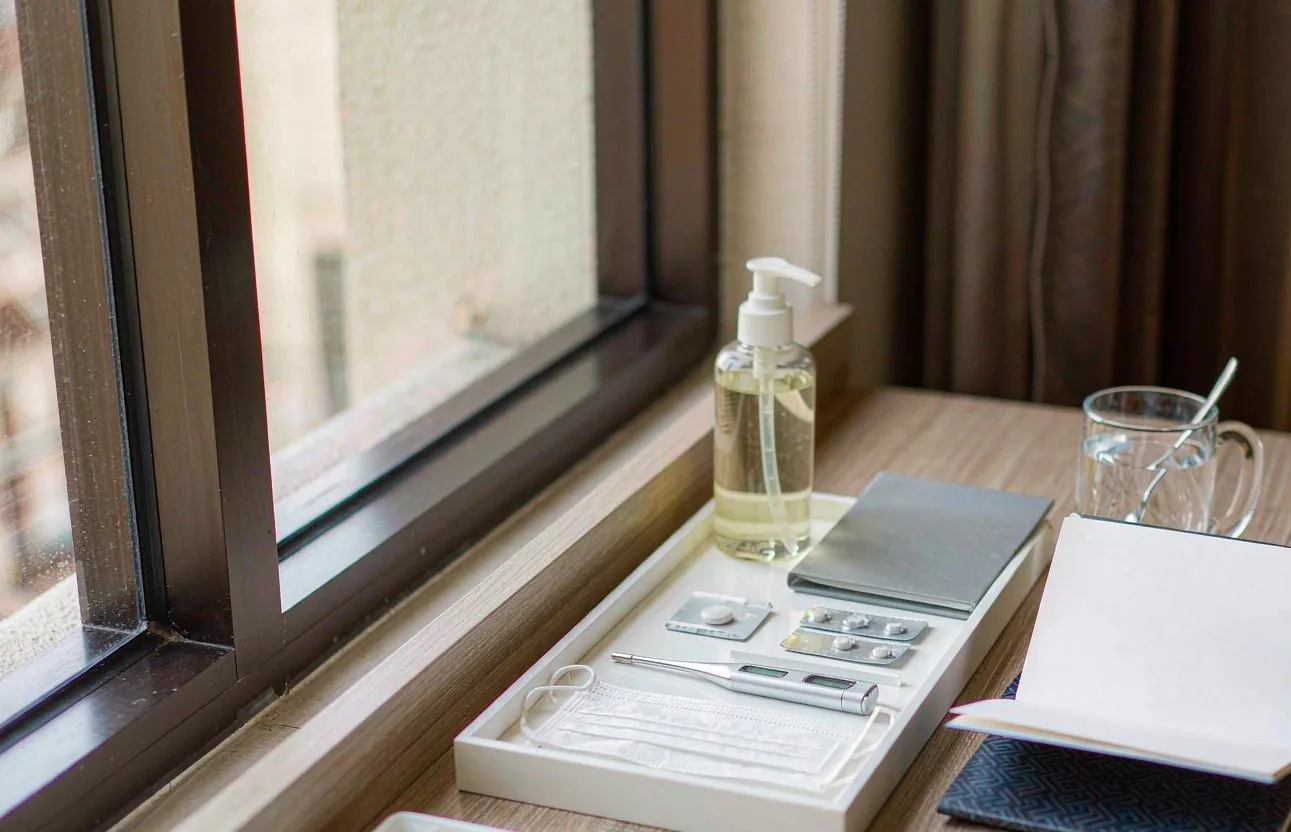
A thermometer and masks are also worth packing. They are small items, but sourcing them locally costs time.
- Bring enough of any medication you take regularly, along with the prescription and an English medication record.
- Carry a passport copy and your insurance certificate, in both paper and phone form.
- Write down allergies and existing conditions in Chinese or English so you can simply show them.
- Pack a small basic kit: something for fever, digestion and wound care is enough.
- Write your hotel address in the local language; you will need it for taxis.
Judging Symptoms
The table below is a reference, not a diagnosis. If you are unsure, go to a hospital first.
Children and older travellers in particular can change quickly, so do not stretch out the waiting-and-seeing phase.
At altitude, do not treat headache and vomiting lightly. Descending to a lower elevation is the most reliable response.
| Symptom | General response | When to seek a hospital |
|---|
| Diarrhoea, stomach pain | Rehydrate, avoid greasy food | If there is blood or a high fever |
| Fever | Rest and fluids | If it lasts more than two days or does not come down |
| Cough, sore throat | Warm fluids, keep indoor air humid | If breathing becomes difficult |
| Headache | Fluids, rest, check your altitude | If vomiting or vision changes occur |
| Skin rash | Stop the food or medicine that caused it | If it spreads or swelling worsens |
| Suspected fracture | Do not move it; immobilise | Go to the emergency department immediately |
Describing Symptoms to a Doctor
When language fails, the most effective approach is to show, in order, when the symptoms began, where they are, how severe they are, and what you have taken.
Translation apps help, but medical terms are easily mistranslated. Showing a sentence you wrote in advance is safer.
Facts you can express as numbers, such as temperature and what you took when, speed the consultation up. For a child, age and weight must both be communicated, so note those too.
- Note when the symptoms started.
- Point to the site and describe how severe it is.
- List what you took and when.
- Show allergies and existing conditions at the same time.
- Prepare temperature and medication records as numbers.
What Pharmacies Can Provide
City pharmacies stock fever and pain relief, digestive remedies and wound-care supplies. Even if the brand names are unfamiliar, describing the ingredient or the purpose gets you an alternative.
Prescription-only medicines such as antibiotics are not simply sold over the counter. For those, you need to go through a hospital consultation.
If you do not know the name, showing the empty box or a photo is the most reliable method. Pharmacists often find a different brand with the same ingredient.
Interactions are possible, so when buying anything new, show the medicines you are already taking.
Food and Water: Reducing the Risk
Unfamiliar food and water are common causes of stomach trouble. For the first few days, lean on cooked food and hot tea, then introduce cold and raw items gradually.
Boiled or bottled water is the safer default, and ice should be treated the same way.
For heavily spiced dishes you can ask for the heat to be reduced. If the local phrasing is unfamiliar, mention it when you plan and it can be factored into restaurant choices.
Overeating and late meals also cause trouble. On long days, carry a snack with you.
At Altitude, the Thresholds Change
At high elevation the same symptom carries a different level of risk. Headache, vomiting and dizziness can signal that you have not acclimatised.
On your first day at altitude, avoid an aggressive schedule and drink plenty of fluids. Skip alcohol and strenuous exercise.
If symptoms do not settle, descending to a lower elevation is the most reliable response. You may need to decide to shorten the itinerary.
Build slack into any high-altitude plan. Keep the day after a travel day light.
Insurance and Paperwork
With travel insurance, what matters more than whether you bought it is what it covers. High-altitude activity and certain sports often carry separate conditions.
After any consultation, collect the diagnosis certificate and the receipts. Documents needed for a claim are often requested later.
Keeping documents in both paper and photo form protects you against loss.
Decide in advance who to contact in an emergency. Sharing the same information with family and with your travel organiser speeds up the response.
What Changes When an Agency Handles It
The best preparation for falling ill on a trip is deciding in advance who you will contact.
The hardest part of being ill abroad is judging where to go. When the language and the process are unfamiliar, the same situation feels far heavier.
Asking an operator that runs its own vehicles and guides locally, such as JoyoTour, means you can be told in advance which hospital and pharmacy are nearest your hotel and whether interpretation can be arranged. JoyoTour was founded in 1999 and has done the same work for 27 years, with 150 itinerary designers worldwide covering different regions.
During the trip a 24-hour response channel stays open, so if the itinerary needs to change you can get help on the ground straight away. Itinerary drafts arrive within three working days and there is no limit on revisions.
Trips run in small groups of two to eight with a private vehicle, which makes it easier to reshape travel and sightseeing on a day when you are unwell. No-shopping, no-optional-tours and itemised transparent quotes are the standing rules, so an unexpected change in the programme is far less likely to cause trouble.
Published: 2026-10-16 · 실무 준비
FAQ
Where should I go if I get sick in China?
Mild symptoms can be handled at a city pharmacy. If a fever persists or there is an injury, go to a hospital's outpatient department or emergency department. If you cannot decide, the emergency department of the nearest large hospital is the safer first stop. Registration and payment procedures vary between hospitals, so read the guidance when you arrive.
What medication should I bring?
Bring plenty of anything you take regularly, together with the prescription and an English medication record. Adding a small amount for fever, digestion and wound care covers most situations. Avoid taking an unfamiliar medicine for the first time while travelling.
How does a consultation work in a Chinese hospital?
Usually you register at a counter or a machine, pay for the consultation first, and then see the doctor. If tests are needed, payment and moving between departments may repeat once or twice. Carry your passport, and bring a written note of your symptoms.
What do I need for an insurance claim?
Collect the diagnosis certificate, the receipts and any test results. Documents needed for a claim are often requested later, so keep them both on paper and as photos. Asking a local operator such as JoyoTour in advance means you know which documents to collect before you leave.
Can a travel organiser help if I get sick on the trip?
Yes. JoyoTour can tell you in advance which hospital and pharmacy are nearest your hotel and whether interpretation can be arranged, and a 24-hour response channel is available for on-the-ground help if the itinerary needs to change. It has operated on the same principles since it was founded in 1999.
What should I do about a bad headache at altitude?
Do not dismiss it, and consider descending to a lower elevation first. On your first day at altitude, avoid an aggressive schedule, alcohol and strenuous exercise, and drink plenty of fluids. If symptoms do not settle, seek medical care, and ask your travel organiser to adjust the itinerary so the response is quicker.
Official sources
Always re-check the latest conditions on the official sites before you travel.