In China's natural regions the distances are long and the altitude climbs. Here is how to sequence each region and where to base yourself.
Regional travel in China needs different planning from city travel. Distances between sights are long, and altitude and weather can shift a lot within one region, so travel time and adjustment time have to be counted together.
Zhangjiajie rewards a route planned around its cable cars and shuttle buses, while Jiuzhaigou and Tibet call for time to acclimatise. In Dunhuang and on the Qinghai-Gansu Grand Loop, where you base yourself shapes the whole itinerary, and in Xinjiang and Inner Mongolia the long drives are best given room.
We connect regions with our own vehicles and guides and keep the pace steady, allowing for season and altitude. Where a permit is required we build in the paperwork and lead time, and prices are quoted on request.

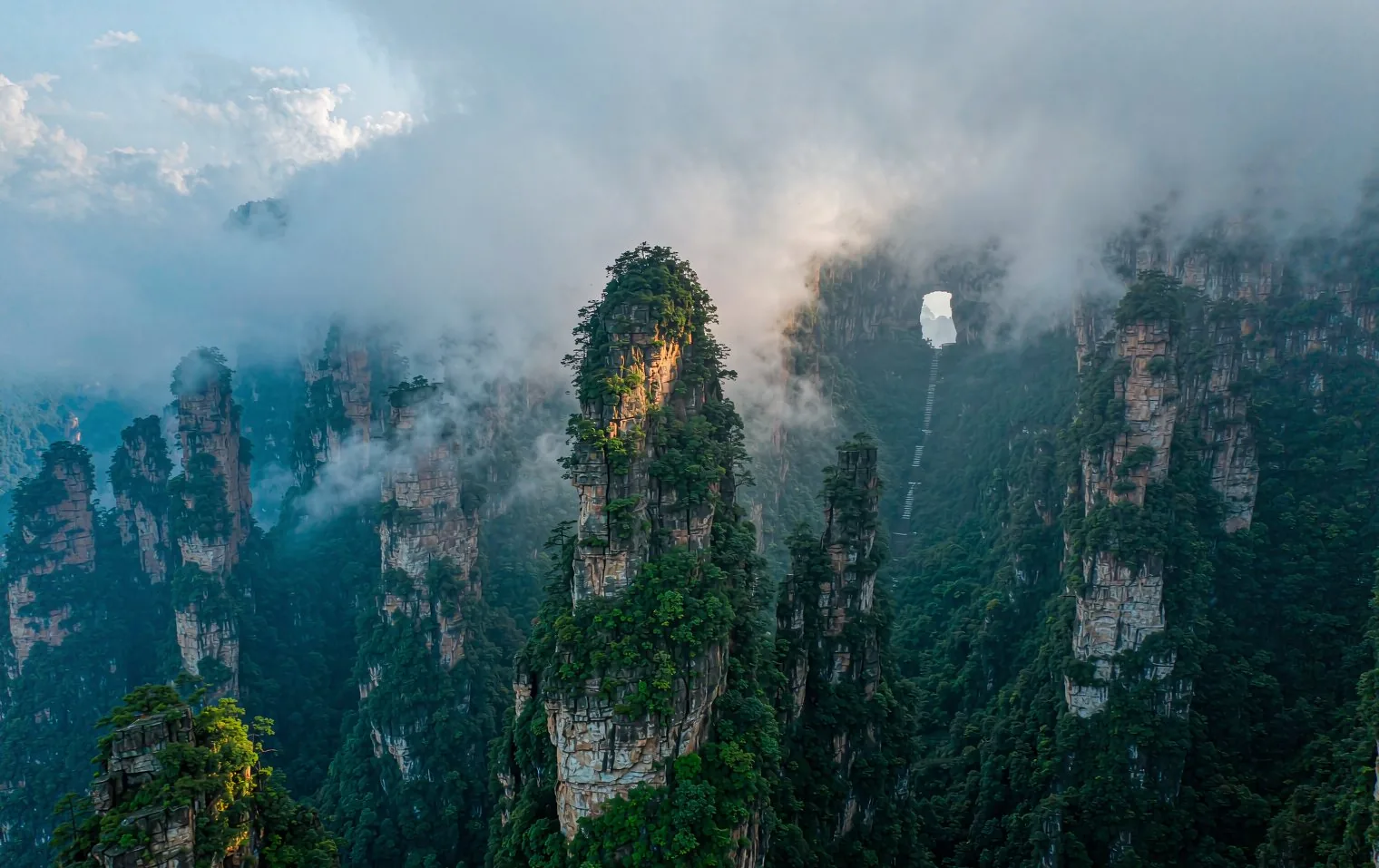
Zhangjiajie is a sandstone peak region in Hunan. This guide covers the difference between Wulingyuan and Tianmen Mountain, how to enter, elevations, seasons, and where to stay.
View details
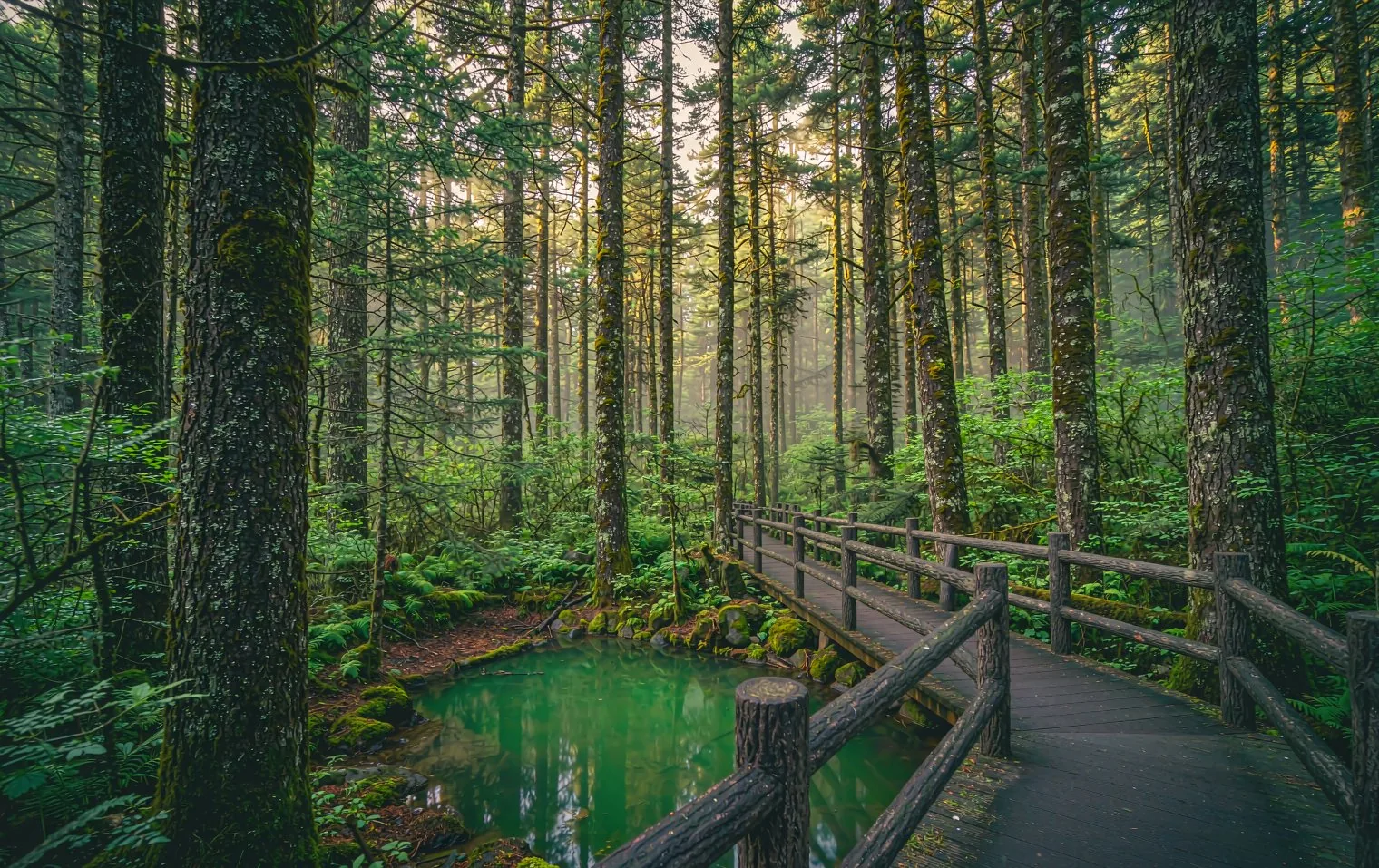
Jiuzhaigou is a high valley in northern Sichuan at 2000 to 3100 meters. This guide covers altitude and acclimatization, how it relates to Huanglong, internal shuttles, and seasonal color.
View details
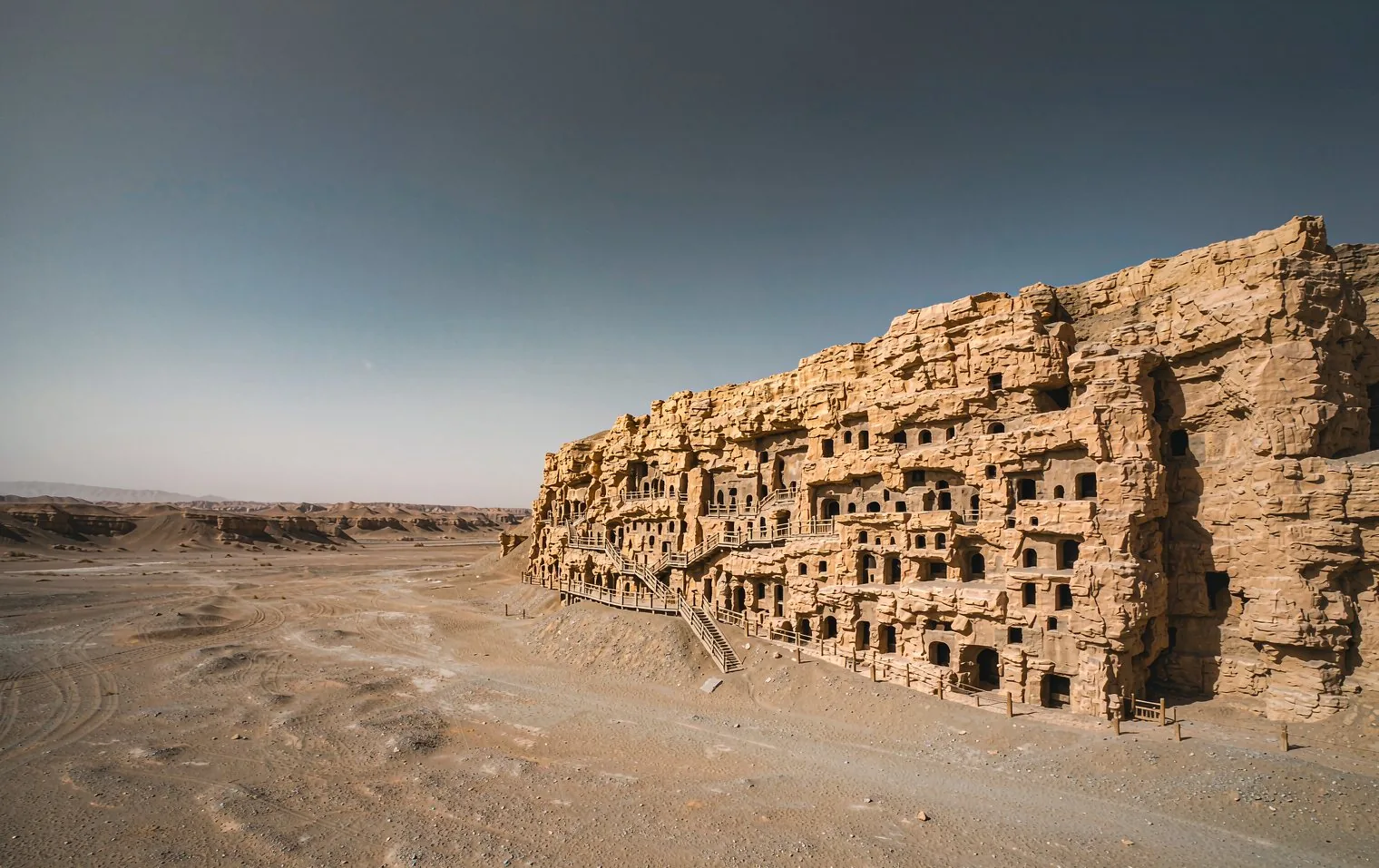
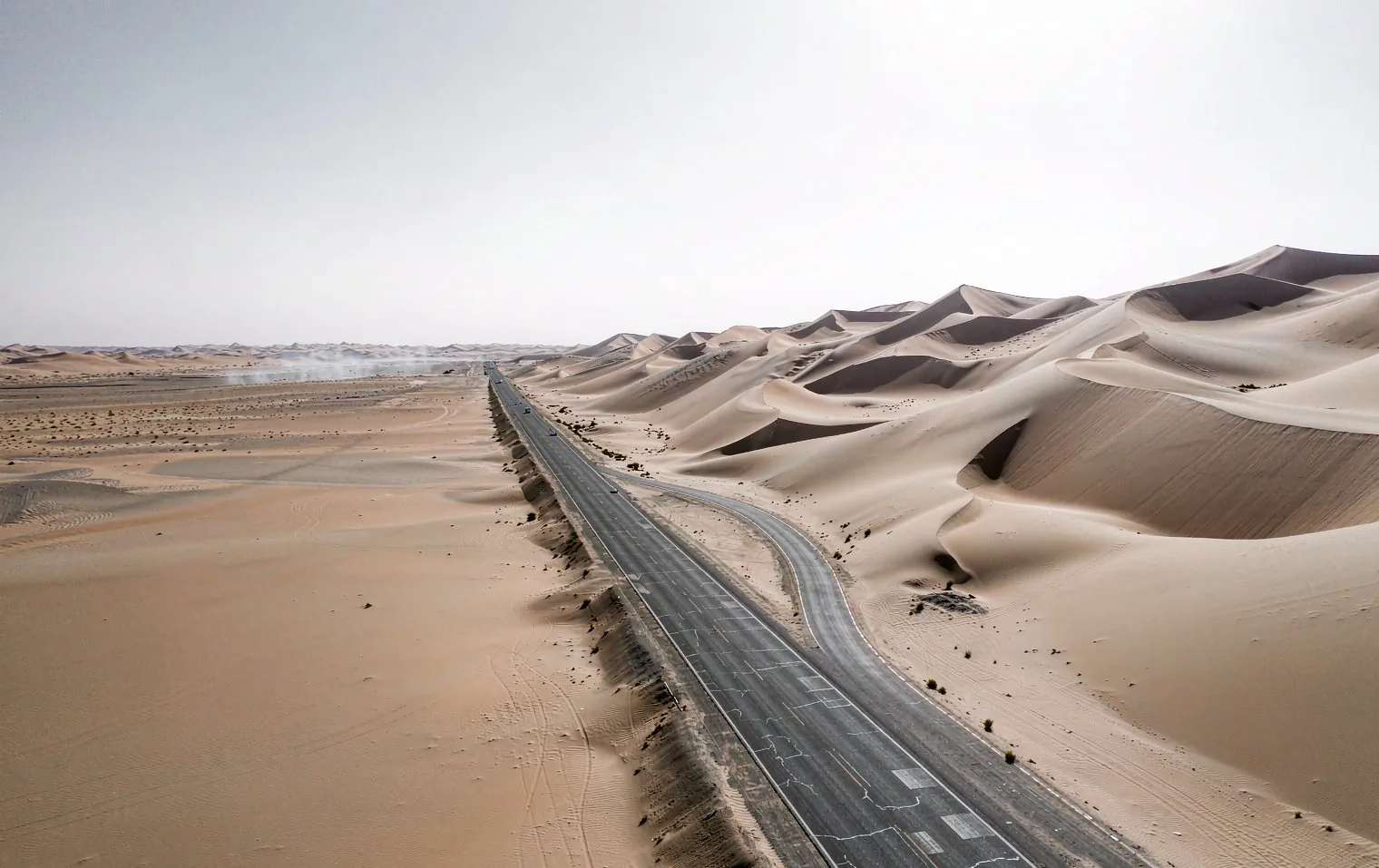
Dunhuang is an oasis city of desert, dunes, and Silk Road heritage. This guide covers how Mogao Caves booking works, desert temperature swings, and moving between nearby sites.
View details
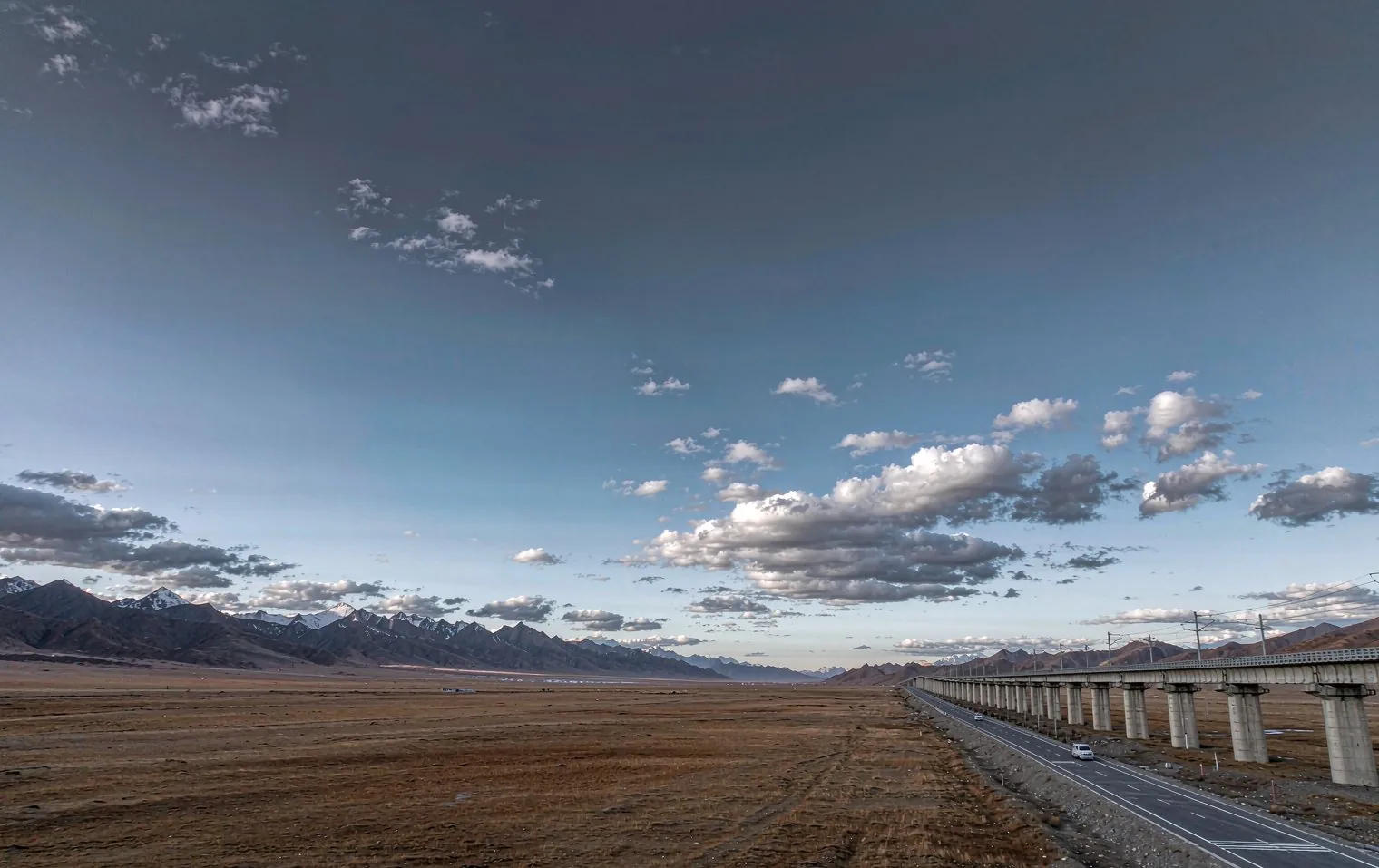
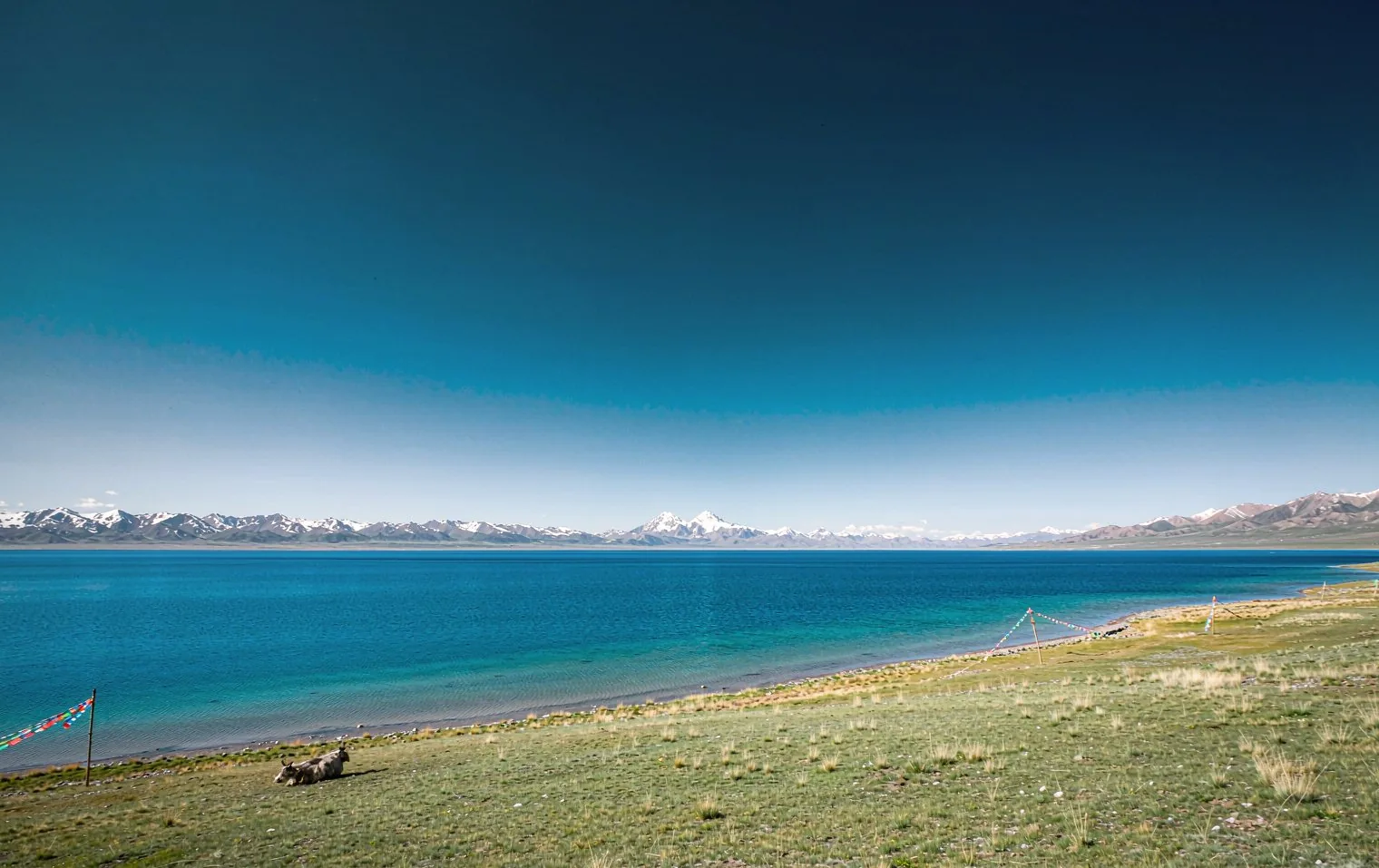
The Qinghai and Gansu Grand Loop runs from Xining through Qinghai Lake, Zhangye Danxia, and Dunhuang. Here is how to sequence altitude, plan legs, and pick lodging towns.
View details
Xinjiang is enormous, so distance is the defining factor. This guide compares northern and southern routes, key destinations, transport, seasons, and what to pack.
View details
Foreign passport holders cannot travel Tibet independently. This complete guide covers the permit process, required documents, altitude acclimatization, and the annual closure period.
View details
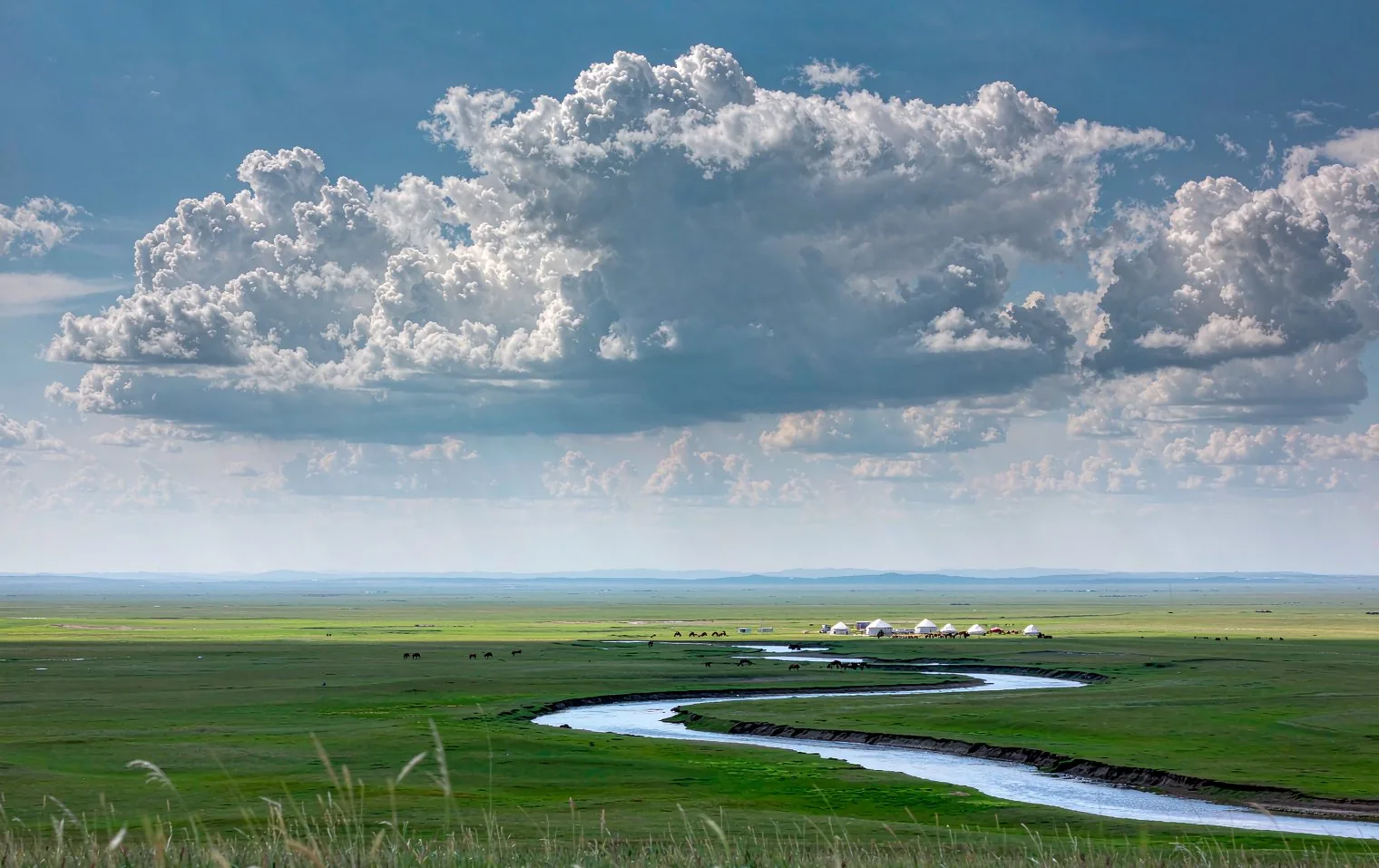
Inner Mongolia splits into two kinds of destination: grassland and desert. This guide covers access from Hohhot, yurt stays, desert activities, seasons, and packing.
View detailsThe regional guides cover Zhangjiajie, Jiuzhaigou, Dunhuang, the Qinghai-Gansu Grand Loop, Xinjiang, Tibet, and Inner Mongolia. Regions need more planning than cities. High-altitude areas call for acclimatisation days, and long distances mean you should leave room in each day rather than stacking stops. Hotels and restaurants are also thinner on the ground than in big cities, so a fixed route helps. Weather can shift a plan quickly, which makes a backup day worth having. Because you cover so much ground, a buffer between two long driving days keeps the trip comfortable.
Tibet is a special case: foreign passport holders cannot travel independently and must arrange the required permit through a licensed agency, with the paperwork prepared in advance. Elsewhere, seasons and road conditions shape the schedule, so it pays to fix the order of regions early. When linking several regions, going from lower to higher ground makes the altitude easier on your body. We operate our own vehicles and guides locally, meet you at whichever city you land in, and quote each itinerary on request.
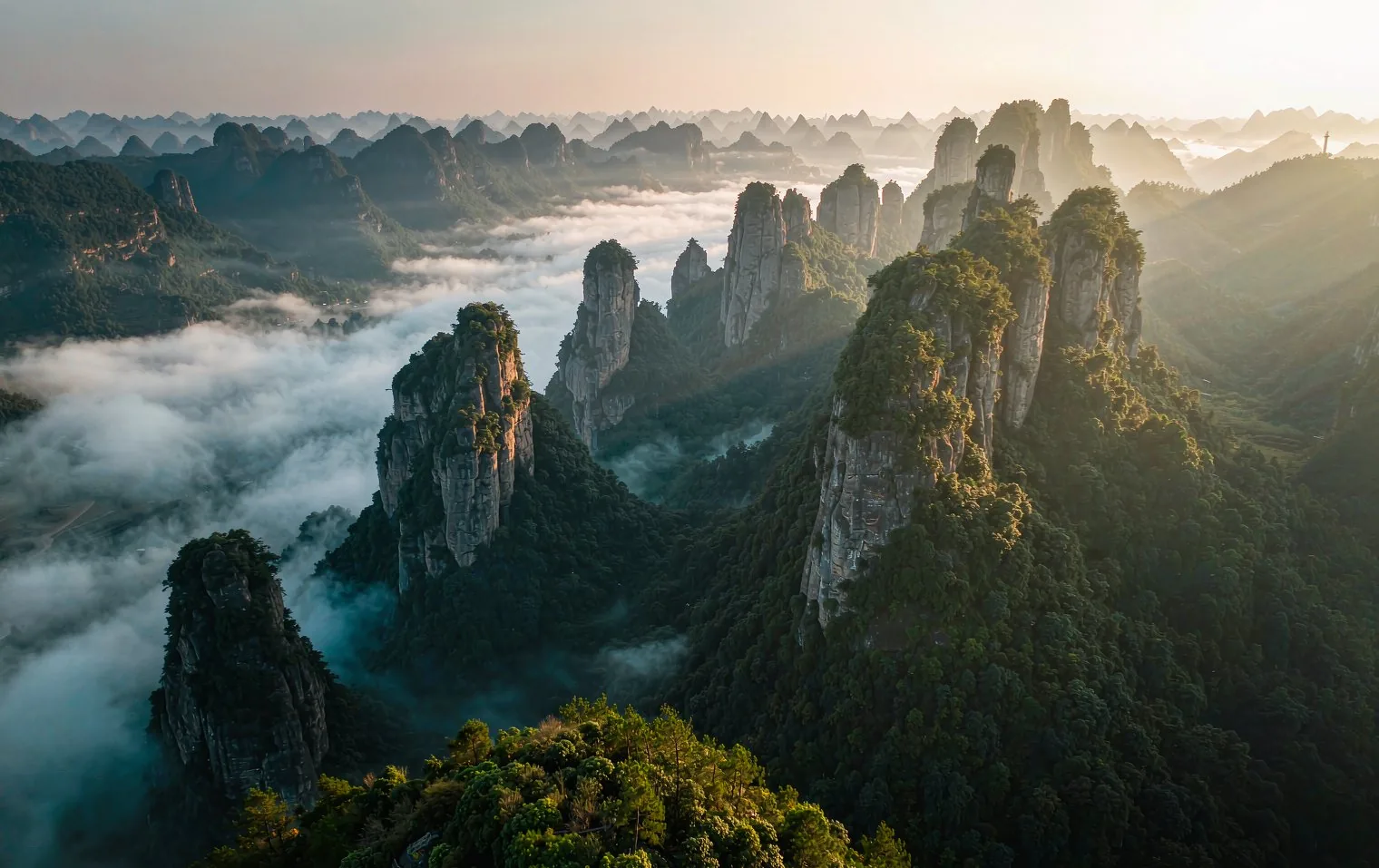
Three to four days covers the main areas. Cable car and shuttle queues can be long, so splitting the route across days works better.
Both sit high, so take the first day easy. Slower travel and plenty of water help your body adjust.
Foreign passport holders generally cannot travel independently and join an arranged itinerary with a guide. Requirements can change, so we confirm them before departure.

Message us on WhatsApp or email with the basics and your dedicated planner will send a draft itinerary and estimate within 24 hours.
There is no form here. Use the channels below and your dedicated planner will reply personally.